
Standard plaster or marcite
A smooth cement based finish offers a simple appearance. Preparation and ongoing water care matter as much as the color chosen.
Lakeland Pool Repair Pro resurfaces residential and commercial pools with epoxy or acrylic pool paint, standard plaster (marcite), quartz plaster, pebble and aggregate finishes, fiberglass or gel coat recoats, and full glass or porcelain tile. Surface preparation, the condition of the pool and the finish you choose guide the scope. Our team helps compare suitable options and explains startup care for your Lakeland or Polk County pool.
Call NowA rough, stained or flaking finish needs a surface assessment before a new interior is selected. Lakeland Pool Repair Pro plans resurfacing around the existing shell, preparation and the look and feel you want. The written scope should identify the finish and separate any tile, coping or underlying repair work.
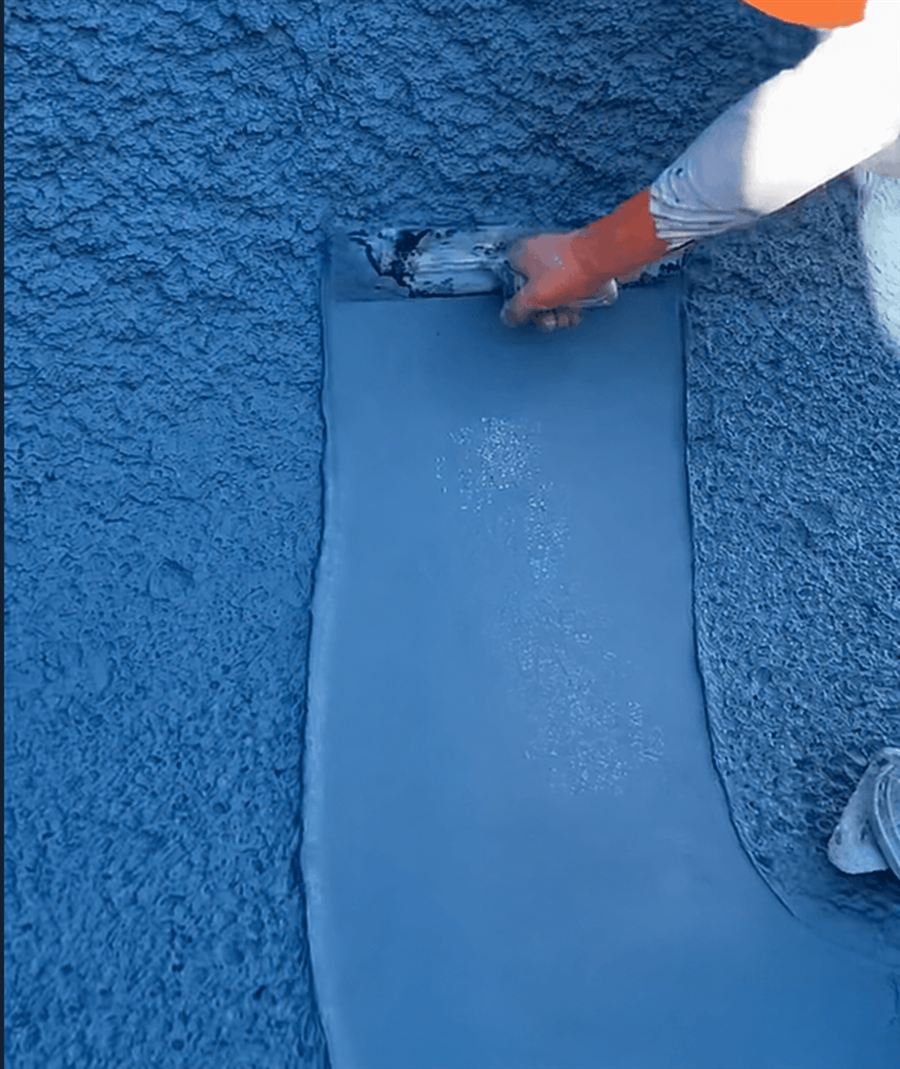
A rectangular pool measuring 16 by 32 feet has 512 sq. ft. of water surface. This is an illustration, not a Lakeland average, and it excludes walls and steps from the area to be refinished. For a commercial contrast, the City describes Gandy Pool as 10 lanes and 25 yards long. Hotels and community pools vary, so every resurfacing scope needs actual measurements.
Compare the resurfacing options and prices below. Measured interior area, surface preparation and the selected finish determine the work included in your project.
| Material | Per sq. ft. | Estimated total |
|---|---|---|
| Pool Paint (Epoxy / Acrylic) | $0.93 to $4.66 | $1,372 to $4,214 |
| Standard Plaster (Marcite) | $3.72 to $7.45 | $4,704 to $9,310 |
| Quartz Plaster | $5.59 to $9.31 | $6,566 to $14,014 |
| Pebble / Aggregate | $7.45 to $13.97+ | $8,428 to $18,620+ |
| Fiberglass / Gel Coat Recoat | $5.59 to $13.97 | $5,586 to $14,014 |
| Full Glass or Porcelain Tile | $23.28 to $32.59+ | $23,324 to $46,550+ |
Loose finish must be addressed so the new surface has a suitable base. Staining, worn plaster and a structural crack do not always need the same repair. Unexplained water loss should be investigated separately before assuming resurfacing will stop it. Identify fittings, tile and coping work in the quote rather than leaving those details for later.
Draining requires a professional assessment of the shell, groundwater and site conditions. Lakeland’s utility uses Floridan aquifer water treated at two lime softening plants, so the actual fill water should be tested before startup chemistry is set. A private well or another supplier can produce different results. Check current local water use guidance when planning the refill.
Finish application, filling, startup care and permission to swim are separate milestones. Follow the selected material’s instructions for brushing, testing and equipment use. A startup care period is not automatically a blanket swimming ban. Ask for the actual work schedule, aftercare responsibilities and return to use instructions for the chosen finish.
Commercial resurfacing starts with the operator’s closure plan and the existing finish, fittings and markings. A hotel or apartment pool should be measured on its own layout rather than assigned a generic commercial size. Coordinate the proposed work with the responsible building authority and public pool health program. Reopening requirements and ongoing water care belong in the plan.
A useful quote identifies surface preparation, finish, measured area and separate repairs. It should also say who handles draining, filling, startup and any tile or coping work. Compare those inclusions before comparing the price. Applicable material warranties and workmanship terms should be identified separately.
No. A worn finish and a leak can have different causes. Investigate unexplained loss and structural concerns before deciding a new finish will solve them.
The scope should identify removal or preparation of the existing surface and any underlying repairs. Tile, coping, fittings, draining and startup need clear inclusions.
Compare texture, appearance, substrate compatibility and care requirements. A product sample and written specification are more useful than a generic lifespan promise.
Follow the selected finish and installer’s return to use instructions. Startup care can continue after work is complete, so the two timelines should be confirmed separately.
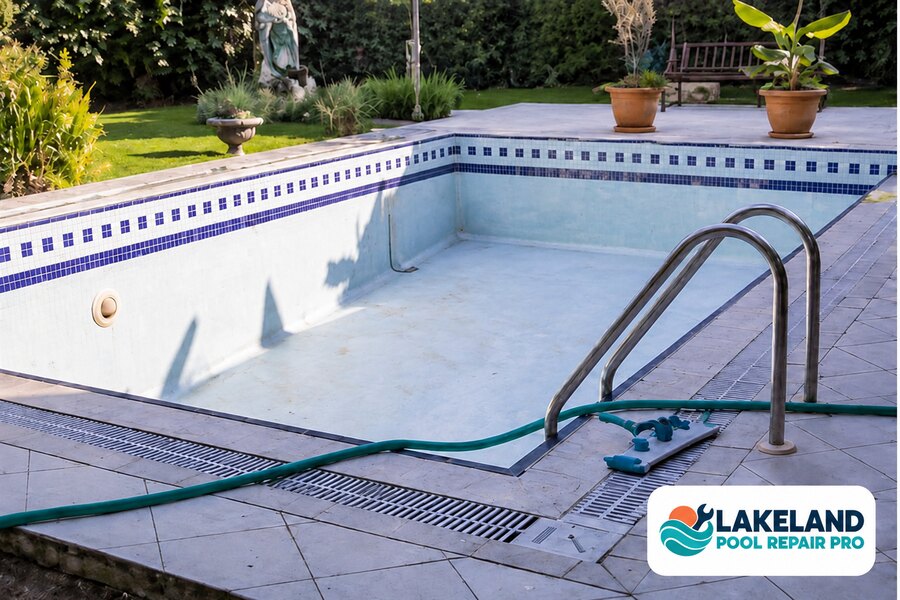
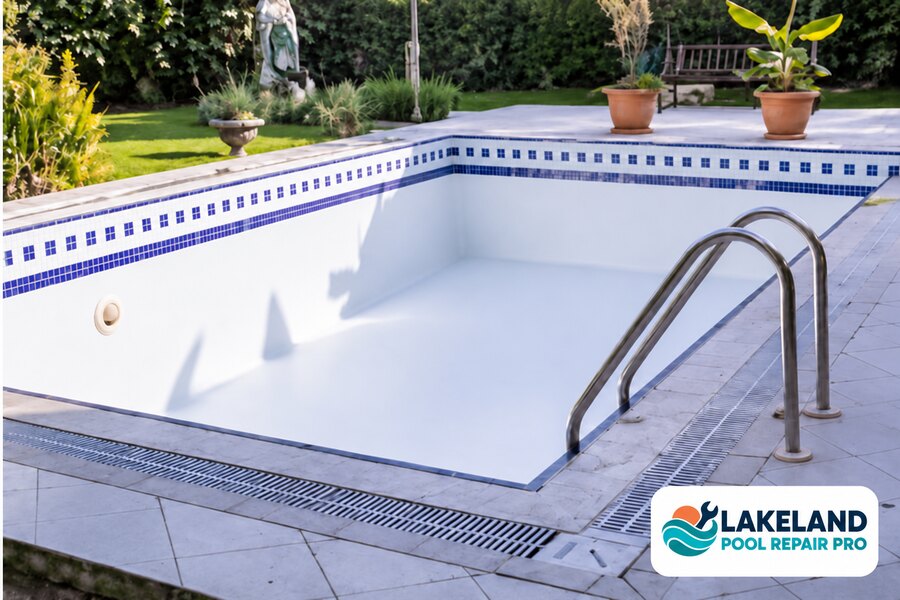
The pool interior was renewed with standard plaster. Preparation and application took 6 days, followed by a water startup and curing care period of 28 days. Filling, brushing and water checks follow the chosen finish’s instructions; swimming clearance is confirmed separately.